Beginning Fly Casting
What Is Fly Casting?
· Fly casting is the act of using the weight of the fly line to deliver the fly.
· Unlike conventional fishing, you’re not casting the fly—you’re casting the line.
· Good fly casting relies on timing, control, and efficiency rather than strength.
· The goal is to transfer energy from the rod to the fly line in a controlled manner.
What Is a Tight Loop and Why Does It Matter?
· A tight loop is a narrow, efficient loop of fly line traveling through the air.
· Tight loops:
o Improve accuracy
o Increase casting efficiency
o Help cut through wind
o Improve distance
· Most fly-casting problems can be traced back to poor loop formation.
How to Hold the Rod
· Hold the rod with a relaxed grip.
· Form a “V” between your thumb and index finger along the top of the grip.
· The V should generally point toward the rod tip.
· Grip the rod firmly enough to maintain control, but loosely enough to stay relaxed.
· Avoid squeezing the grip too tightly.
· A relaxed grip promotes smooth casting strokes, better feel, and improved rod-tip control.
· Think of guiding the rod rather than forcing it through the casting stroke.
How to Stand
Closed Stance (Best for Accuracy)
· Casting-side foot slightly back.
· Shoulders more square to the target.
· Encourages a straighter rod path.
· Ideal for beginners learning accuracy.
Open Stance (Best for Distance)
· Casting-side foot slightly forward.
· Allows greater body rotation.
· Makes it easier to watch the back cast.
· Useful when carrying more line and casting longer distances.
The Basic Fly Cast
1. Pick Up
· Smoothly lift the line from the water.
· Remove slack before beginning the back casting stroke.
· The angler is always in contact with the fly line; the goal is to remove slack so the line responds immediately during the casting stroke.
2. Back Casting Stroke
· Accelerate the rod smoothly backward.
· The acceleration bends (loads) the rod.
· Come to a crisp stop.
· The stop allows the rod to unload and transfer energy into the fly line, forming the back-cast loop.
3. Pause
· Allow the line to straighten behind you.
· Wait until the loop has nearly fully unrolled.
· Good timing is critical before beginning the forward casting stroke.
4. Forward Casting Stroke and Delivery (Forward Casting Stroke)
· Accelerate smoothly toward the target.
· The rod loads during the forward casting stroke.
· Come to a crisp stop (forward casting stroke).
· The rod unloads and transfers energy to the line.
· As the loop unfolds toward the target, slowly lower the rod tip to deliver the fly.
Understanding Rod Flex (The Arch of the Rod)
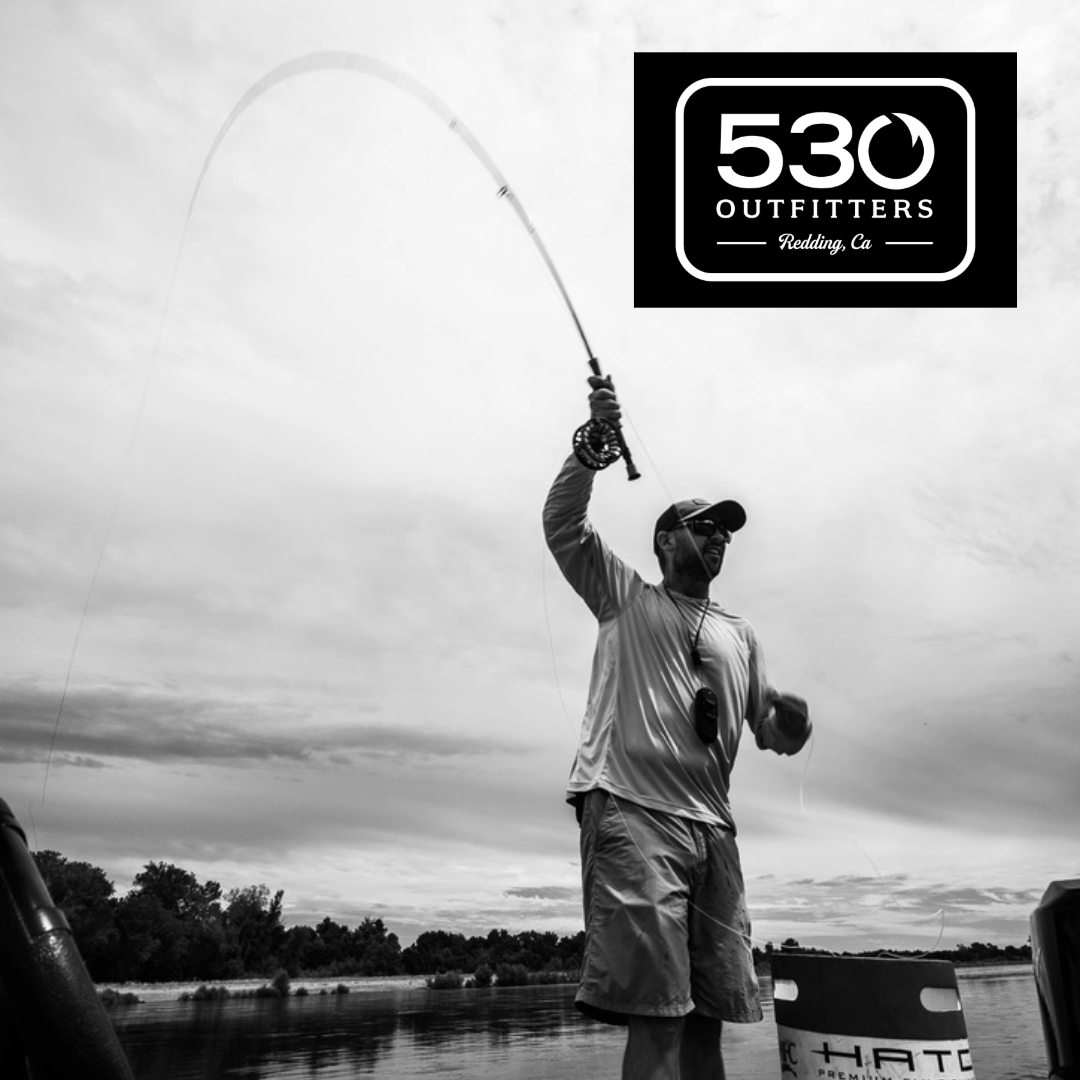
· The rod bends (loads) when force is applied during acceleration in both the back casting stroke and forward casting stroke.
· The loaded rod stores energy.
· When the rod is stopped, it begins to straighten (unload).
· As the rod unloads, stored energy is transferred to the fly line.
· The rod acts like a spring.
· Smooth acceleration and crisp stops maximize energy transfer.
Understanding the Path of the Rod Tip
· The rod tip largely determines the shape of the fly line loop.
· The fly line loop mirrors the path of the rod tip.
Key Teaching Rule:
· The rod tip path controls where the line goes.
· The stop controls how tight the loop is.
· A straight-line rod-tip path creates tight loops.
· Excessive wrist movement or a curved rod-tip path creates wide loops.
· Focus on moving the rod tip in as straight a path as possible during both the back casting stroke and forward casting stroke.
· The line can only go where the rod tip sends it.
Practice: The Pick-Up and Lay-Down Cast
· Begin with a simple pick-up and lay-down cast.
· Pick the line up from the water.
· Make one back casting stroke.
· Make one forward casting stroke.
· Deliver the fly to the target.
· Practice with a visible target such as a hula hoop, paper plate, or marker.
· Accuracy is more important than distance.
Introducing the Line Hand
What The Line Hand Does
· Holds the fly line.
· Controls slack.
· Helps manage line during casting.
· Eventually helps shoot line for greater distance.
Key Tips for Beginning Casters
· Fly casting is about timing, not strength.
· Smooth acceleration creates rod load.
· Crisp stops transfer energy efficiently.
· Wait for the line to straighten before changing directions.
· Focus on loop shape rather than distance.
· Relax your grip.
· Slow down.
· Practice accuracy before distance.
· Always cast to a target.